

Flying With Your Dog in Canada: 8 Tips From Someone Who’s Done It
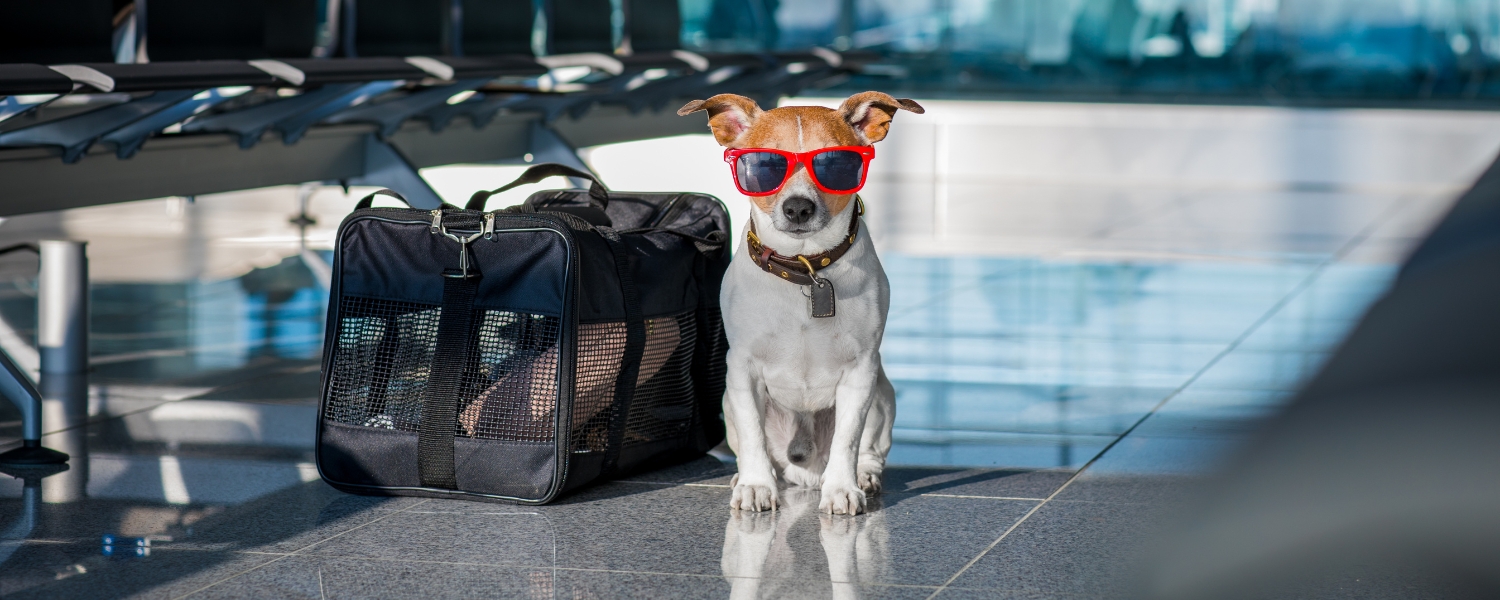
If you’ve read my first blog on this topic of flying with your furry friend, you’ll already have some important context: which aircraft to choose, how carriers are evaluated at the gate, and why the whole process is less standardized than most people expect.
This post builds on that foundation and dives into the practical, on-the-ground tips that actually came from flying my dog Pluto cross-country in cabin.
I came back with eight specific tips. The first few are pretty obvious but important, while the last ones made a bigger difference than I anticipated.
I hope this helps you, fellow pet-travellers!
Tip 1: Call Your Airline to Add Your Pet

Most airlines will not let you book your pet in cabin online. You actually have to call in and add them to your booking manually.
There are limited spots for pets in cabin on each flight, so this is not something to leave until the last minute. As soon as your travel dates are confirmed, pick up the phone.
In terms of cost, expect to pay around $50 CAD each way on most major Canadian airlines.
Tip 2: Talk to Your Vet Before You Fly

Make sure your dog is up to date on vaccinations, but also ask your vet specifically about Trazodone.
It is an anti-anxiety medication that helped Pluto stay calm in a really overstimulating airport and cabin environment, without making him groggy or out of it. I would absolutely use it again!
Tip 3: Kennel Train Before Your Trip

Pluto did not learn this as a puppy, so it is truly never too late.
The method is simple: give treats every time and always make it a positive experience. By the time we flew, he was happy to settle into his carrier on command. That calmness at the gate made the whole check-in process go smoothly.
Tip 4: Not All Planes Are Equal
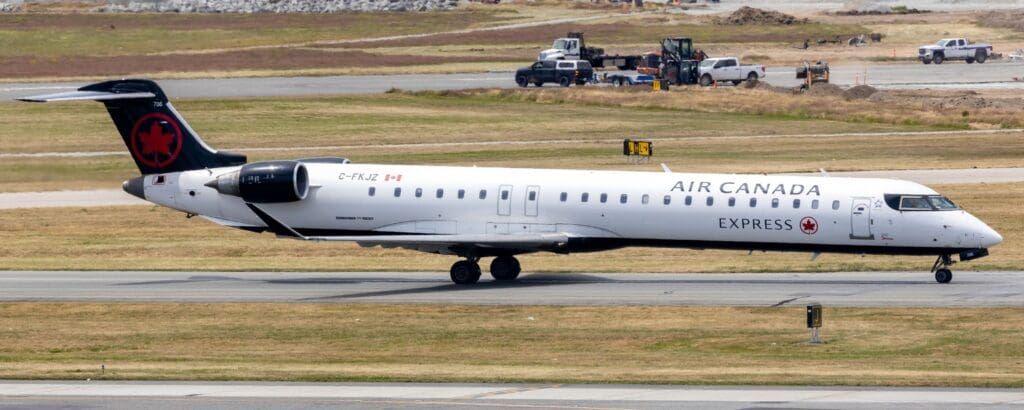
This is covered in more detail in Part 1, but it is worth repeating here.
We only flew Pluto on the CRJ900 and Dash 8 with Air Canada. Neither of those aircraft has a centre bar under the seat, which means the carrier fits way more comfortably and has room to expand once you are settled on board.
If you have any flexibility in your routing, it is worth checking the aircraft type before you book.
Tip 5: Get Your Dog Groomed Before You Fly
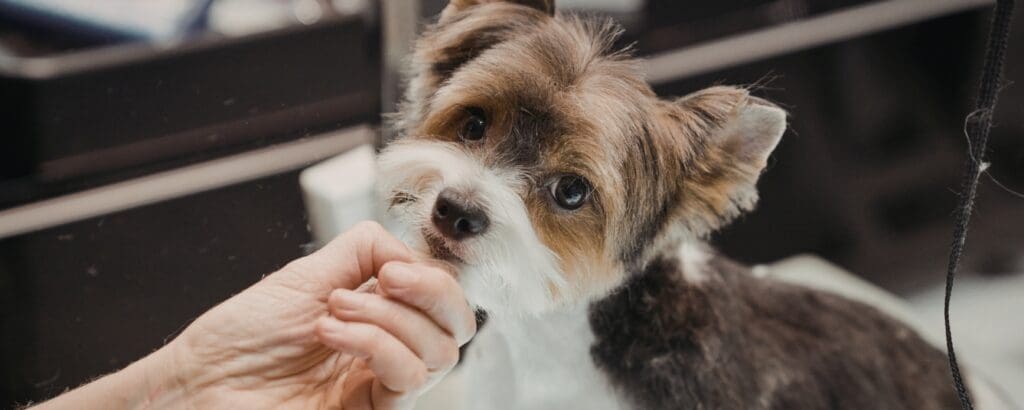
This one surprised me, but it made a real difference.
Pluto looks dramatically smaller after a fresh haircut compared to when his coat has grown out. When he was freshly groomed, gate agents did not give us any trouble. When his hair had grown out a bit, they questioned whether he was too big for his carrier.
Getting rid of that extra “floof” made the experience much smoother.
Tip 6: Have Your Dog Settled in the Carrier Before You Approach Check-In
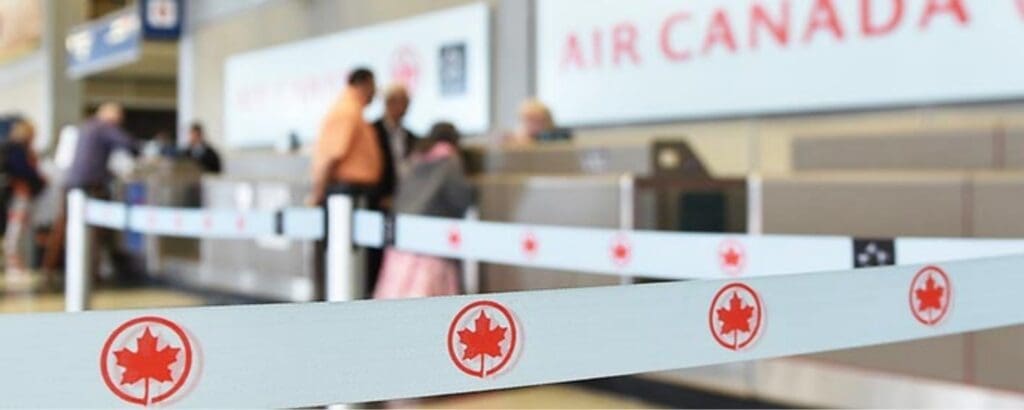
Gate agents want to see one thing: a calm, contained animal.
Walking your dog around a busy, stimulating terminal and then approaching the desk is the worst setup. Get to the airport early enough to settle your dog into the carrier first.
A relaxed dog in a closed carrier puts its best paw forward.
Tip 7: Do Not Count on Indoor Pee Stations
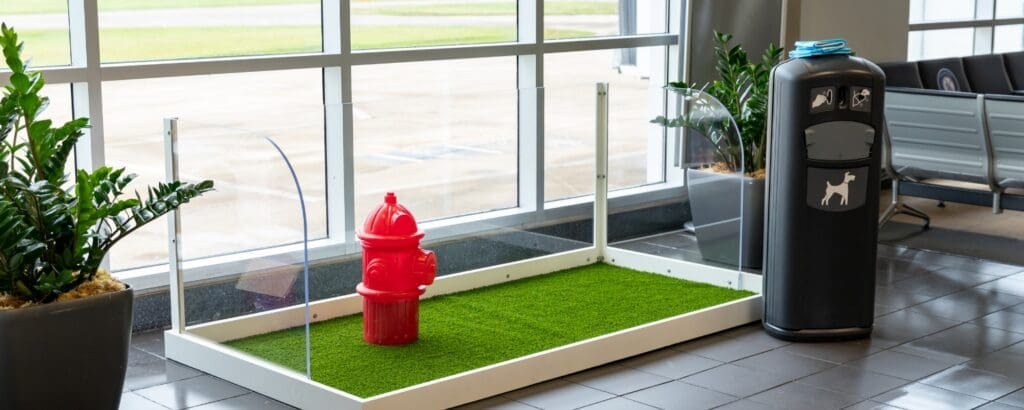
While every Canadian airport we visited had them, Pluto refused to use a single one. Honestly, the smell was not so great, so I do not blame him.
On our layover in Calgary, we actually left the secure part of the airport, brought him to an outdoor area, and then cleared security again. If you think your dog will need this, plan extra time. It is worth it.
Tip 8: Pack for Both Cold and Warm
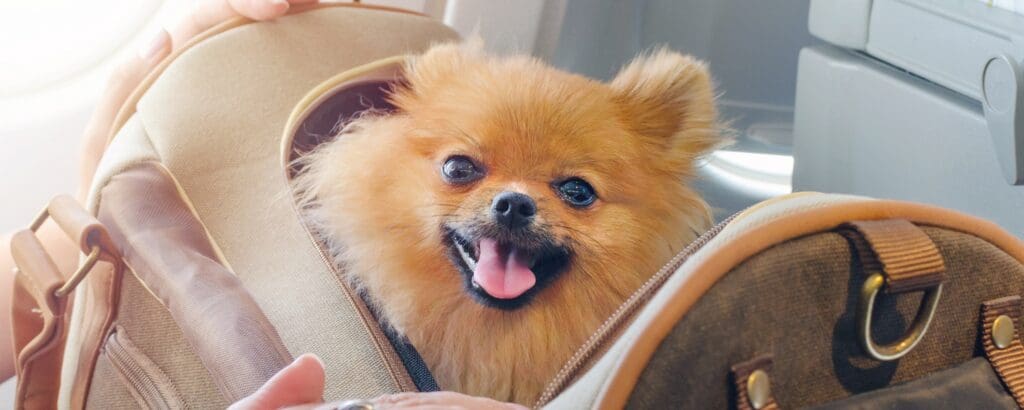
The cabin temperature near the exterior of the aircraft got pretty cold, so we tucked a blanket alongside the carrier. But it can also get warm down near the floor with limited airflow, so we also packed a portable mini fan.
I’d recommend packing for both so you’re prepared for anything.
The Bottom Line

Flying with your dog in cabin across Canada is absolutely doable, and these eight tips will set you up for a smooth experience. The biggest things to remember:
- Call to book your pet as early as possible
- Ask your vet about Trazodone
- Train with the carrier using positive reinforcement
- Choose the right aircraft type
- Groom your dog before the flight
- Arrive early and get your dog settled before check-in
- Plan for outdoor bathroom breaks at layover airports
- Pack a blanket and a fan for the cabin
Happy travels to both you and your fur buddy!


Follow me on Instagram and Tiktok for travel tips hacks that’ll make your adventures unforgettable!
@thecanadianjetsetter on INSTAGRAM →
@thecanadianjetsetter on TIKTOK →
follow me ON Instagram →
FOLLOW me on tiktok →


Comments will load here
Be the first to comment