

Turbulence Ahead: Canadian Airlines and the Oil Crisis
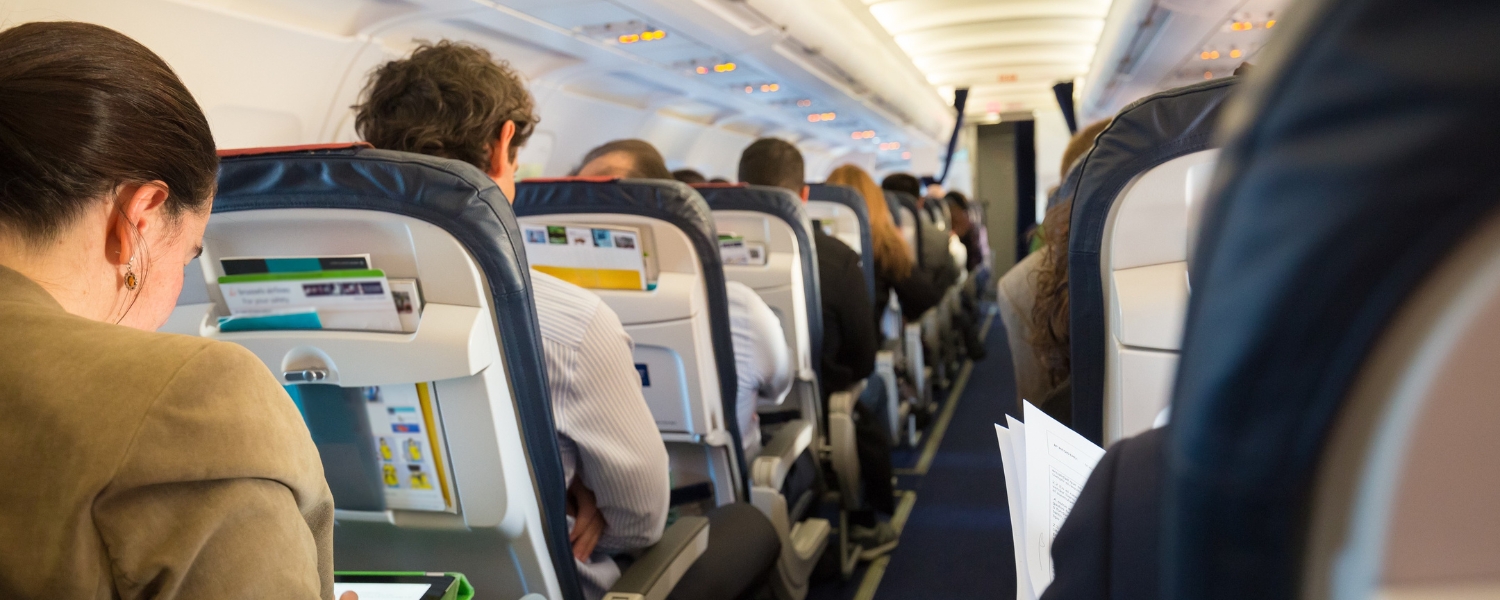
If you have been keeping an eye on travel costs lately, you may have noticed your flights and vacation packages creeping up in price. A full-blown jet fuel crisis, fuelled by the ongoing conflict in the Middle East, is reshaping how Canadian airlines operate, and it is starting to hit travellers directly.
Here is everything you need to know about what is happening, which airlines are affected, and how to plan smart this summer.
Note: As this is an ongoing crisis, information can change/update quickly. Be sure to follow up on this news as the weeks go by.
Air Canada: Cutting Routes, Adjusting Schedules
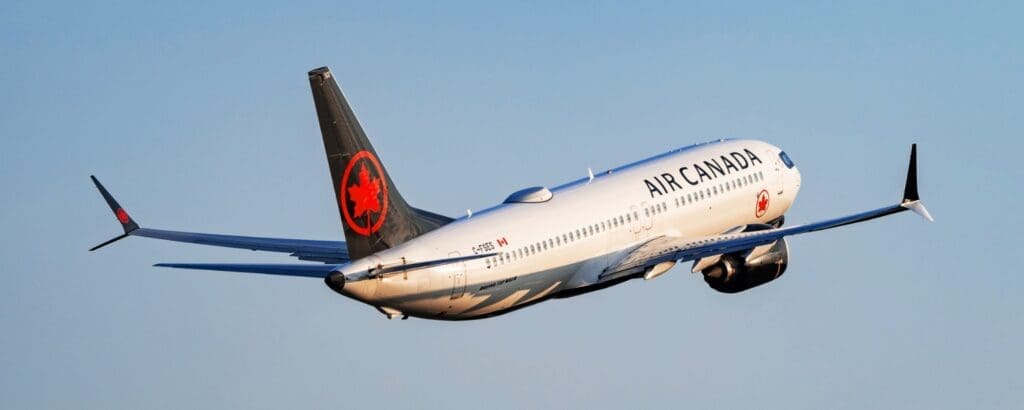
Air Canada was one of the first major carriers to make concrete route changes. Effective this spring and summer, the airline is suspending service on six routes, both domestic and cross-border.
Here is a breakdown of what is being suspended:
- Fort McMurray to Vancouver – suspended May 28
- Yellowknife to Toronto – suspended August 30
- Salt Lake City to Toronto – suspended June 30, with plans to resume in 2027
- Toronto to JFK (New York) – temporarily suspended June 1, resuming October 25
- Montreal to JFK (New York) – temporarily suspended June 1, resuming October 25
- Guadalajara to Montreal – a planned new route that has now been shelved
If you’re travelling between Canada and New York on Air Canada, you still have 34 daily flights continuing to operate between Canada and LaGuardia and Newark airports. Air Canada has also confirmed it will contact affected passengers directly with alternate travel arrangements.
The carrier put it simply: jet fuel prices have doubled since the start of the Iran conflict, making some routes no longer economically feasible. I’m sure lower levels of Canadians travelling to the U.S. also helped shape this decision.
WestJet: Surcharges, Capacity Cuts, and Summer Uncertainty

WestJet has been equally proactive, rolling out a series of measures to manage the surge in fuel costs.
Companion Voucher Surcharge
Starting April 8, WestJet introduced a temporary $60 CAD fuel surcharge on all bookings made using a WestJet Rewards companion voucher. The charge shows up in the “Other ATC” section of your booking. The airline says it will continue reassessing the surcharge as market conditions evolve.
Vacation Package Surcharge
If you are booking through Sunwing Vacations or Vacances WestJet Quebec, a $50 CAD per person fuel surcharge now applies to all new bookings made as of April 14. Existing bookings are not affected, so if you already have a trip locked in, you’re in the clear.
Capacity Reductions
WestJet has also been trimming its schedule to align with both fuel supply and demand. The airline reduced capacity by roughly one per cent in April, three per cent in May, and five and a half per cent in June. Guests affected by flight consolidations are being reaccommodated, most within the same travel day.
Other Canadian Carriers Joining In

WestJet and Air Canada Mainline are not alone. Surcharges and adjustments are now spreading across the industry.
Air Canada Vacations has added a $50 CAD fuel surcharge to select vacation packages, specifically Sun Destination packages. This does not apply to flight-only bookings.
Porter Airlines has been charging a $40 CAD temporary fuel surcharge per flight on all VIPorter flight redemptions since March 23. Porter has said the fee will be removed once fuel prices stabilize, and notably, the surcharge does not apply to standard bookings.
Air Transat has added a $50 CAD per person fuel surcharge on new bookings for sun packages, effective April 10. Existing bookings are not affected, and the fee is included in taxes and fees at the time of booking. The airline has also increased fuel surcharges on Europe, blended into the total ticket price, and is raising fares on peak travel dates and routes where it has more pricing flexibility.
Flair Airlines has implemented its own surcharge, with the amount varying by route and displayed clearly during the booking process.
What This Means for Your Summer Travel Plans

The International Energy Agency has warned that Europe may have as little as six weeks of jet fuel supplies remaining if oil flow continues to be disrupted. That is a sobering stat for anyone with international summer travel on the books, particularly to Europe or Asia, where countries are heavily reliant on Middle Eastern oil.
For domestic and transborder travellers, the picture is somewhat better, but route suspensions and reduced frequency mean fewer options and likely higher fares as demand concentrates onto remaining flights.
Some practical takeaways for Canadian travellers right now:
Book flexible fares where possible. With the situation still evolving, having the ability to change your plans without a penalty is worth the extra cost.
Check your rewards bookings. If you are planning to redeem points or companion vouchers, factor in the new surcharges from WestJet and Porter before finalizing.
Watch for rebooking notices. If you are on one of the affected Air Canada or WestJet routes, watch your inbox. Airlines are proactively reaching out with alternate options.
Consider travel insurance. With flight cancellations and disruptions possible on international routes this summer, a comprehensive travel insurance policy is a smart call right now.
Stay flexible on dates. If your schedule allows, travelling outside of peak summer months could mean fewer disruptions and better pricing as the situation hopefully stabilizes.
The Bottom Line

This is uncharted territory for Canadian aviation.
Industry experts are calling it the worst crisis the sector has ever faced, and the ripple effects on fares, routes, and availability are only beginning to be felt. That said, Canadian carriers are being reasonably transparent about what is happening and why, which at least makes it easier to plan around.
Safe travels, and fingers crossed the skies clear up soon.


Follow me on Instagram and Tiktok for travel tips hacks that’ll make your adventures unforgettable!
@thecanadianjetsetter on INSTAGRAM →
@thecanadianjetsetter on TIKTOK →
follow me ON Instagram →
FOLLOW me on tiktok →


Comments will load here
Be the first to comment