

Flying with your dog in Canada? Here’s what you need to know
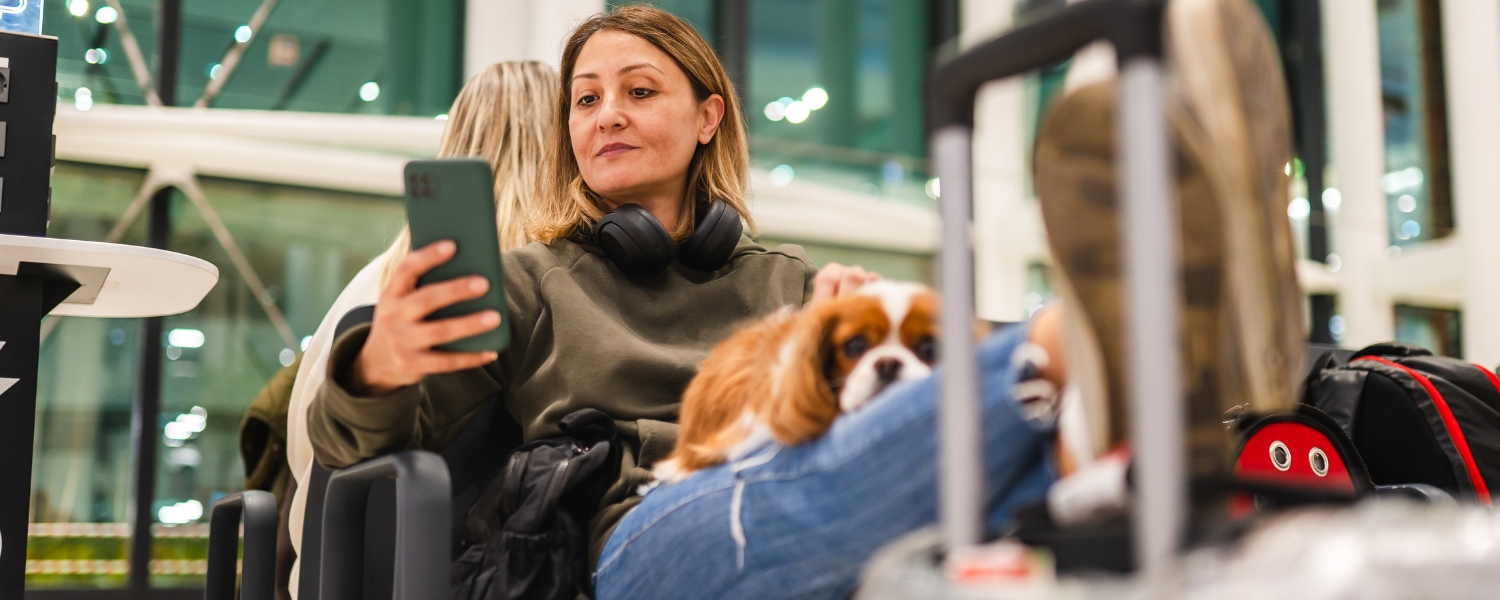
If you’ve ever tried to figure out how to fly with your dog in Canada, you’ve probably noticed one thing pretty quickly. The information online is all over the place.
Between airline websites, forums, and conflicting advice, it can feel like you’re piecing together a puzzle that never fully clicks. So instead of guessing, here’s a real-world breakdown based on an actual cross-country flight with my dog, Pluto, and what you actually need to know before booking.
Choosing the Right Aircraft Matters More Than You Think
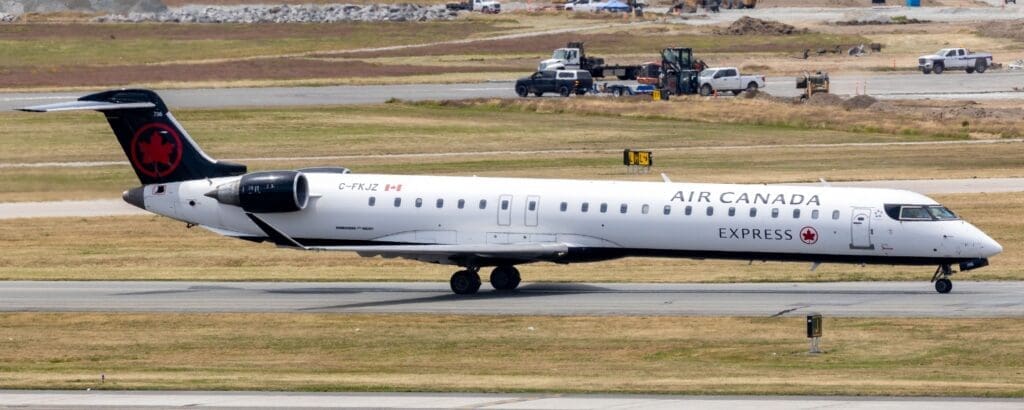
Here’s the biggest insight that most people completely miss: Not all planes are created equal when it comes to flying with a pet in cabin.
With Air Canada, the allowed carrier size actually varies depending on the aircraft you’re flying. That’s a huge advantage if you plan it right.
Smaller regional aircrafts, like the Dash 8 and CRJ 900, can actually be better options than larger jets. These planes typically have a two-by-two seating layout instead of three seats per side, and more importantly, they often don’t have the metal bars under the seat that restrict space.
That means:
- More usable width for your pet carrier
- A better chance your dog comfortably fits
- Less stress at the gate
It sounds counterintuitive, but in this case, smaller planes can mean more room where it matters.
Your Dog’s Size Is Not As Clear-Cut As You’d Expect
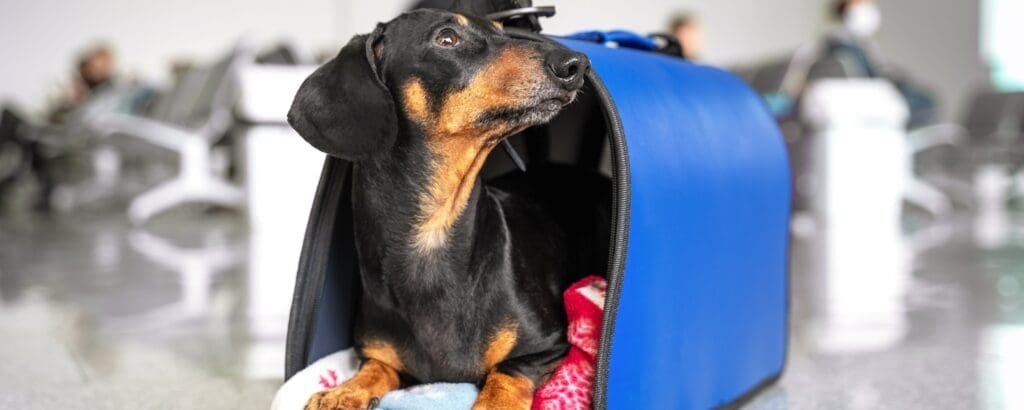
You might expect airlines to have strict size or weight limits for pets in cabin. In Canada, that’s not really how it works.
Across most airlines, there is no universal weight cutoff that guarantees approval.
Instead, it comes down to one key factor: Does your dog comfortably fit in the carrier under the seat?
And here’s the tricky part. That decision is ultimately made by the gate agent.
Even on the same trip, experiences can vary:
- Some agents will approve quickly with barely a glance
- Others may take a closer look and question the fit
This inconsistency is one of the biggest challenges when flying with a pet. You can do everything right and still get different outcomes depending on who you get at the airport.
The Carrier You Choose Can Make or Break the Trip
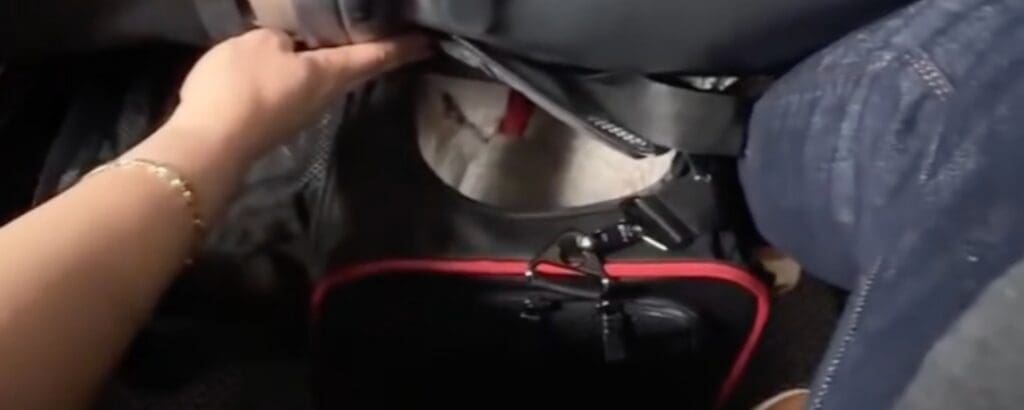
One of the smartest moves you can make is choosing the right carrier.
Expandable soft-sided carriers are a game changer. They allow your dog to have extra room to stretch once you’re settled on the plane, while still fitting within airline requirements during boarding.
For slightly larger small dogs, this can be the difference between being approved at the gate or being turned away
If your dog is on the upper end of what might fit, this is not the place to cut corners.
What Happens At The Airport and Onboard

Once you get through check-in and past the gate agent, things usually get much smoother.
Flight attendants will typically give you a quick rundown of the rules, which can vary slightly, but generally include:
- Keeping your dog in the carrier during the flight
- Storing the carrier under the seat for taxi, takeoff, and landing
The good news is that once you’re onboard, things usually feel more consistent. Flight attendants are friendly, accommodating, and very familiar with traveling pets, which makes the experience smoother.
The Cost Is Simpler Than You’d Expect
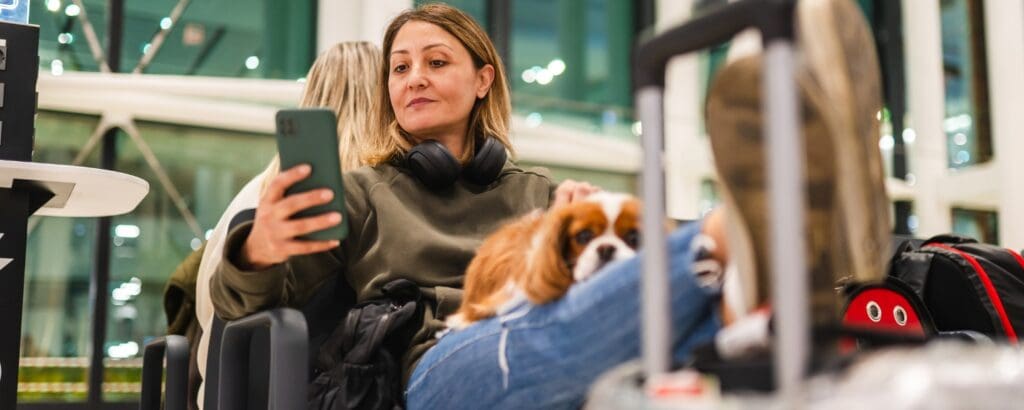
Flying with your dog in cabin in Canada is relatively straightforward when it comes to pricing.
Expect to pay around $50 CAD each way on most major Canadian airlines
Compared to the overall cost of travel in Canada, this is one of the more predictable parts of the process.
The Bottom Line

Flying with your dog in Canada is absolutely doable, but it’s not as standardized as you might expect.
The difference between a smooth experience and a stressful one often comes down to:
- Booking the right aircraft
- Choosing the right carrier
- Being prepared for some inconsistency at the gate
If you go in expecting a bit of variability and plan strategically, you’ll set yourself up for success.


Follow me on Instagram and Tiktok for travel tips hacks that’ll make your adventures unforgettable!
@thecanadianjetsetter on INSTAGRAM →
@thecanadianjetsetter on TIKTOK →
follow me ON Instagram →
FOLLOW me on tiktok →


Comments will load here
Be the first to comment