

New Era of Ultra Long-Haul Flying: Air Canada Orders Airbus A350-1000 Aircrafts

Great news for Canadian travellers!
Air Canada has officially announced it will acquire eight Airbus A350-1000 aircrafts, with the option to purchase eight more. The first delivery is expected in 2030, and this aircraft is set to play a major role in the airline’s long-haul growth strategy for the next decade.
This is not just another fleet update. This is a meaningful step forward for international connectivity from Canada.
Let’s break it down.
What Is the Airbus A350-1000?
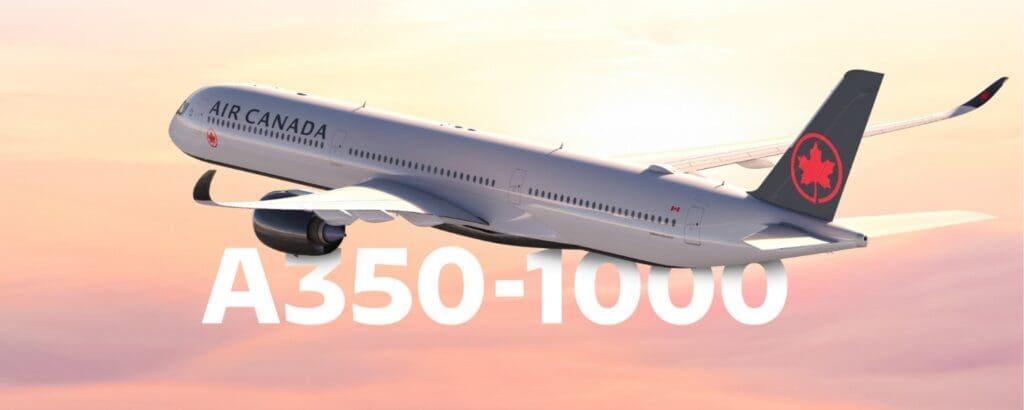
The Airbus A350-1000 is the largest variant of the A350 family and one of the most advanced long-haul aircraft flying today. It is powered by Rolls-Royce XWB97 engines and built using lightweight composite materials that improve efficiency and range.
With a range of approximately 9,000 nautical miles, the aircraft is capable of operating ultra long-haul routes. That opens the door to stronger non-stop connectivity from Canada to destinations across the Indian subcontinent, Southeast Asia, and even Australia.
For Air Canada, this aircraft will eventually replace older Airbus A330 aircraft that are approaching 30 years of service by the end of the decade.
What This Means for Travellers

From a passenger perspective, this is where things get exciting.
The A350-1000 is designed with comfort in mind. Airbus states that it offers the quietest twin-aisle cabin available, and it is pressurized to the equivalent of 6,000 feet to help reduce fatigue and jet lag on long journeys.
Air Canada has also confirmed these aircraft will feature its new cabin standard, which is being introduced later this year. Expect enhanced in-flight entertainment screens, improved connectivity, and a refined onboard experience across cabins.
If you love long-haul travel but dread how you feel when you land, this aircraft is built to make that journey noticeably smoother.
Fuel Efficiency and Sustainability

The A350-1000 is estimated to deliver up to a 25 percent reduction in fuel consumption compared to previous generation aircraft.
That means lower operating costs for the airline and reduced emissions overall. Airbus has also designed the A350 family to operate with up to 50 percent Sustainable Aviation Fuel today, with a goal of reaching 100 percent SAF capability by 2030.
For Air Canada, this aligns with its long-term environmental objectives while also strengthening financial efficiency.
Part of a Much Bigger Fleet Strategy
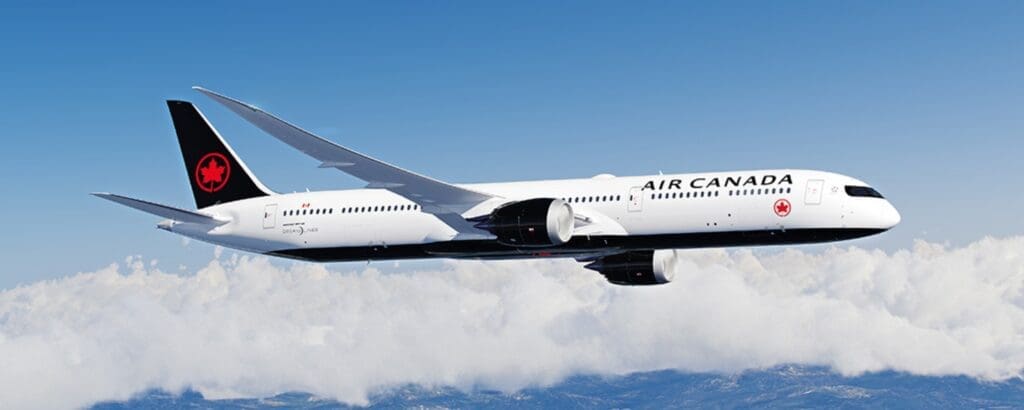
This order does not stand alone.
Air Canada is also preparing to take delivery of 14 Boeing 787-10 Dreamliners, 30 Airbus A321XLR aircraft, and additional Airbus A220 aircraft assembled in Canada. The airline continues to modernize aggressively, building a fleet that is younger, more efficient, and better suited for global competition.
By the end of the decade, Air Canada will have one of the most competitive long-haul fleets in North America.
The Bottom Line

This is genuinely exciting news for Canadian travellers.
The Airbus A350-1000 gives Air Canada the range and performance to expand non-stop connectivity to high-growth international markets while offering a noticeably more comfortable onboard experience.
More range. More efficiency. More global ambition.
For those of us who love seeing Canadian airlines grow their international footprint, this signals a confident and forward-looking strategy.
The next chapter of long-haul travel from Canada is taking shape, and it looks very promising.


Follow me on Instagram and Tiktok for travel tips hacks that’ll make your adventures unforgettable!
@thecanadianjetsetter on INSTAGRAM →
@thecanadianjetsetter on TIKTOK →
follow me ON Instagram →
FOLLOW me on tiktok →


Comments will load here
Be the first to comment