

WestJet Is Reversing Its Controversial Seat Changes. Here’s What Travellers Need to Know

For months, WestJet travellers have been bracing themselves for a noticeably tighter onboard experience. Now, after widespread backlash and a viral moment that brought the issue into the national spotlight, the airline is officially reversing course.
WestJet has confirmed it will abandon its controversial high-density economy seat layout and return affected aircraft to a more spacious configuration, a rare in an industry that usually gets its way with adding more seats on planes.
What Changed and Why It Sparked Backlash
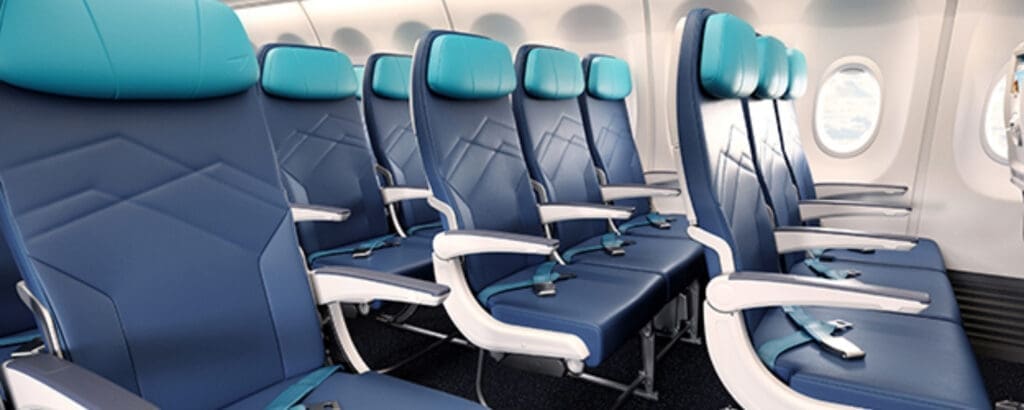
Back in September 2025, WestJet announced plans to reconfigure 43 of its Boeing 737 aircraft with a denser economy layout. The update added an extra row of seats and introduced non-reclining economy seats with a pitch of approximately 28 inches across much of the cabin.
That pitch is common among ultra-low-cost carriers in Europe and the U.S., but it marked something new for a major Canadian airline, especially on flights regularly stretching four to six hours to sun destinations or cities in the southern U.S.
By late 2025, 22 aircraft had already been modified, with plans to expand the configuration to more than 20 additional planes. The rollout quickly drew criticism from both travellers and frontline staff, with concerns ranging from comfort and safety to the overall passenger experience.
Things escalated when a TikTok video showcasing the lack of legroom went viral, racking up over a million views and triggering national media coverage. Shortly after, the data began to reflect what social media was already saying: customers were not on board with the change.
The Reversal: What WestJet Is Doing Now
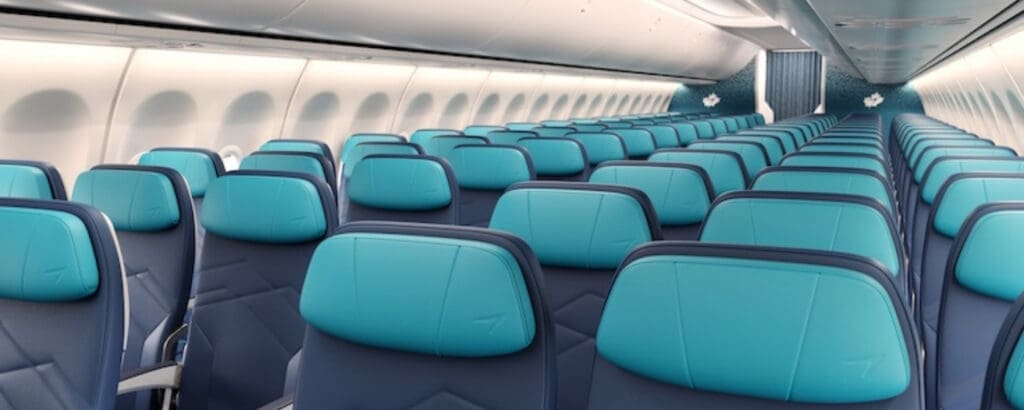
WestJet has now confirmed it will remove one row of seats from the affected Boeing 737s, converting them from a 180-seat layout to a 174-seat configuration once regulatory approval is received.
In practical terms, this means:
- The 28-inch pitch layout is being phased out
- Economy cabins will return to WestJet’s prior standard seat spacing
- Aircraft already reconfigured will be retrofitted again, which is a complex and expensive process
The airline expects the process to be completed by the end of the year.
Importantly, this isn’t just a cosmetic change. Reinstalling seats requires rewiring in-seat power, adjusting oxygen mask systems, and re-certifying aircraft, all while keeping planes in service.
Why This Matters for Canadian Travellers
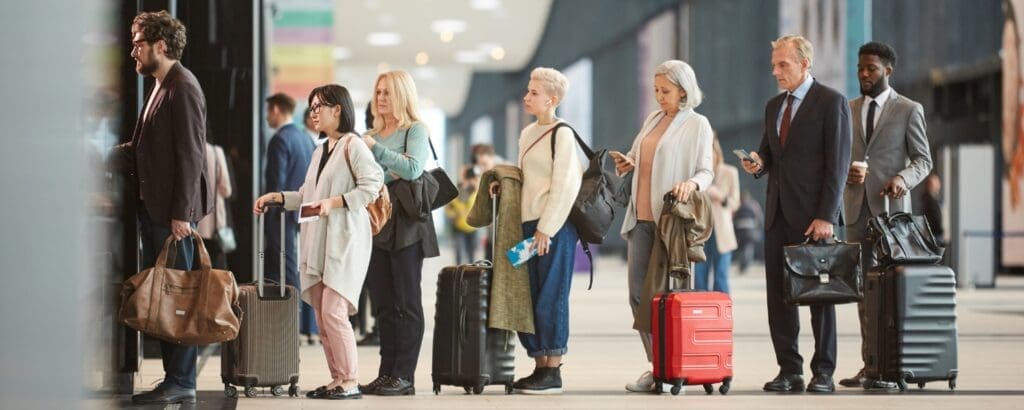
This decision stands out because airlines rarely reverse cabin densification once it’s underway. The economics usually win.
In this case, customer sentiment, which was heavily amplified by social media, made a tangible impact. It’s a reminder that while airlines can legally install tighter seats, there’s a threshold where passenger tolerance runs out, especially on longer flights common within Canada and to sun destinations.
It also reinforces why travellers should pay close attention to aircraft layouts when booking. During the transition period, WestJet flights may still feature different configurations depending on the specific aircraft operating your route.
The Bottom Line
WestJet tried to introduce a denser economy layout aimed at lowering base fares and increasing seat choice. In practice, it pushed comfort too far in the wrong direction and travellers responded fiercely.
By reversing the change, WestJet is acknowledging a simple truth: Canadian flyers are willing to compromise, but not indefinitely. Comfort still matters, especially on long, leisure-focused routes.
For travellers, it’s a rare win. As well, it’s a reminder that paying attention, speaking up, and knowing what you’re booking can actually make a difference.


Follow me on Instagram and Tiktok for travel tips hacks that’ll make your adventures unforgettable!
@thecanadianjetsetter on INSTAGRAM →
@thecanadianjetsetter on TIKTOK →
follow me ON Instagram →
FOLLOW me on tiktok →


Comments will load here
Be the first to comment